Current Members make BCH what it is!
GILA BCH NEWS

What’s New
Gila BCH celebrates 25 Years – Learn about the impact.
&
New Corrals at Woody’s Corral Trailhead. See info below



Trail Reports
See the list of trails we improved in 2025!
2026 Spring Trail Project Schedule.
Join us on a trail project!
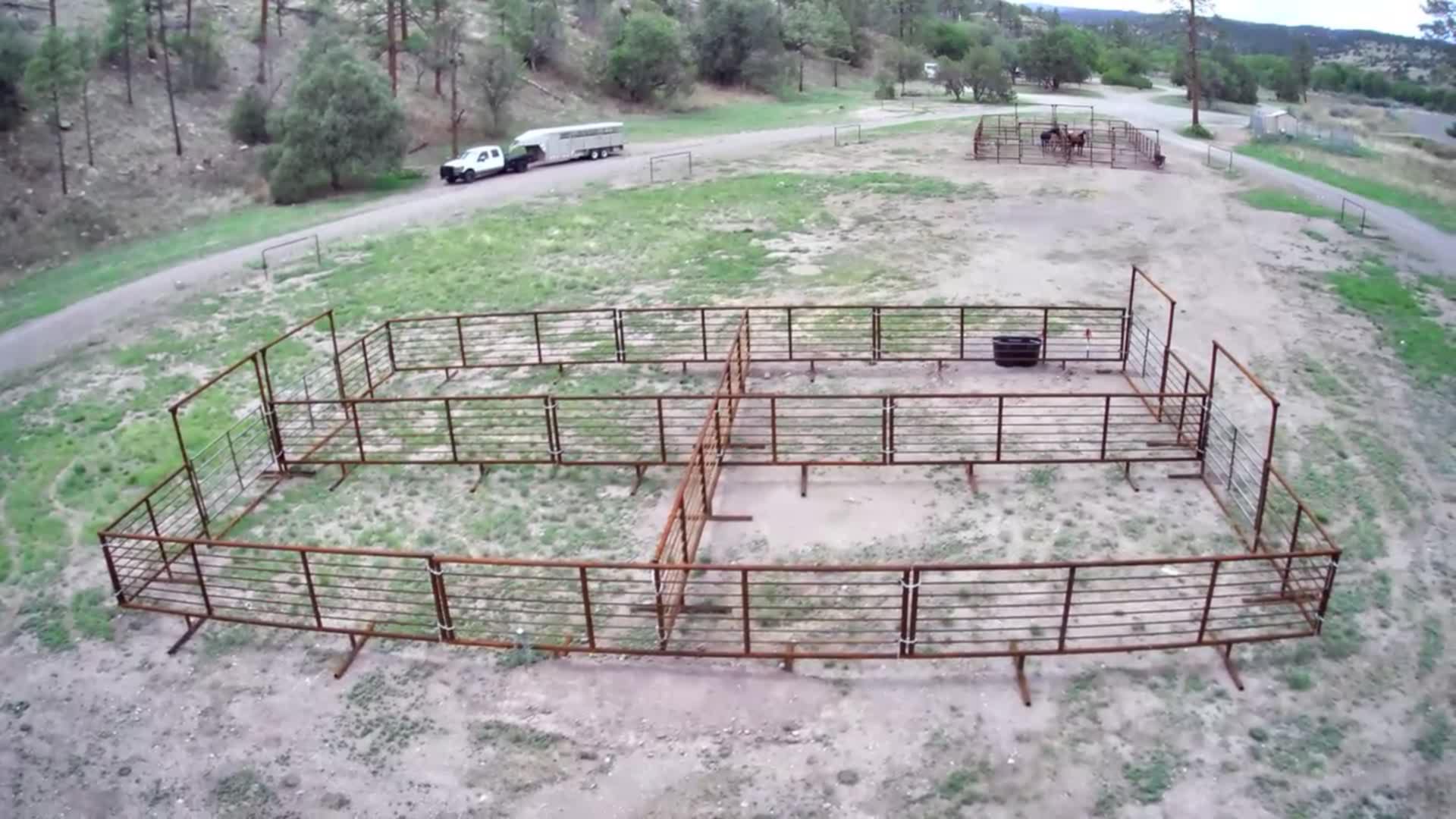
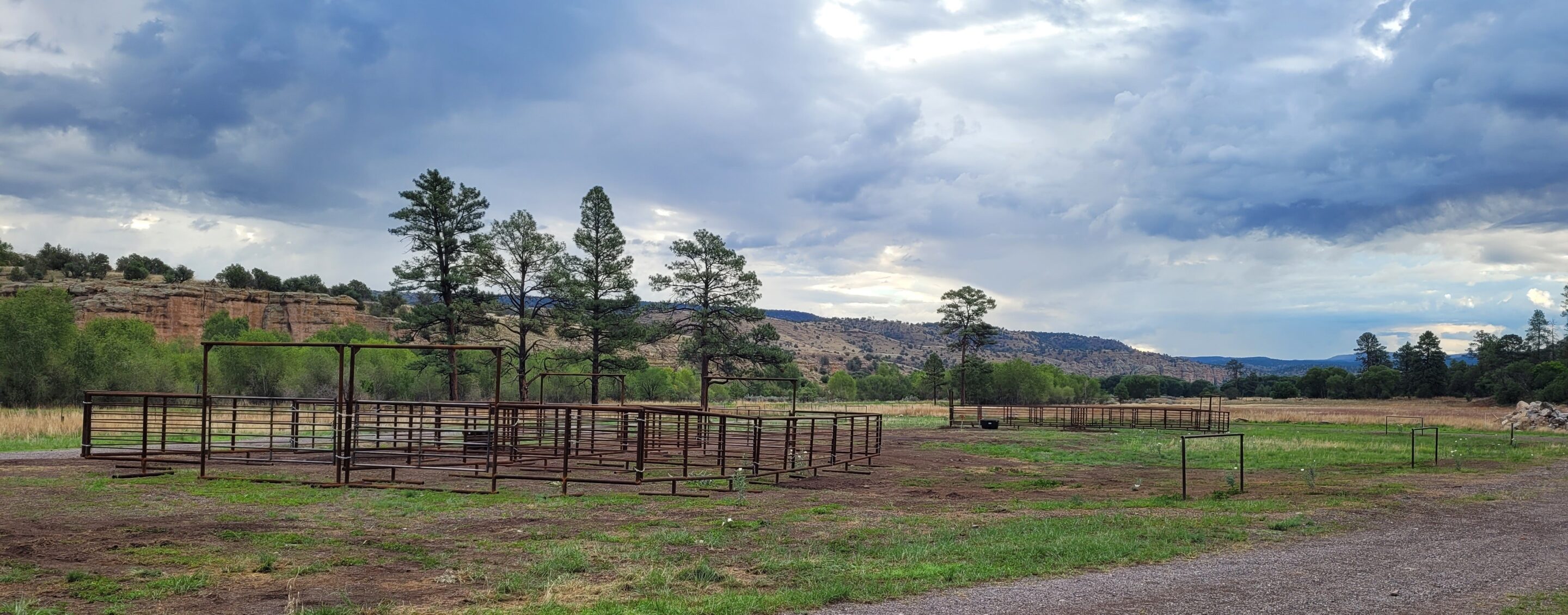
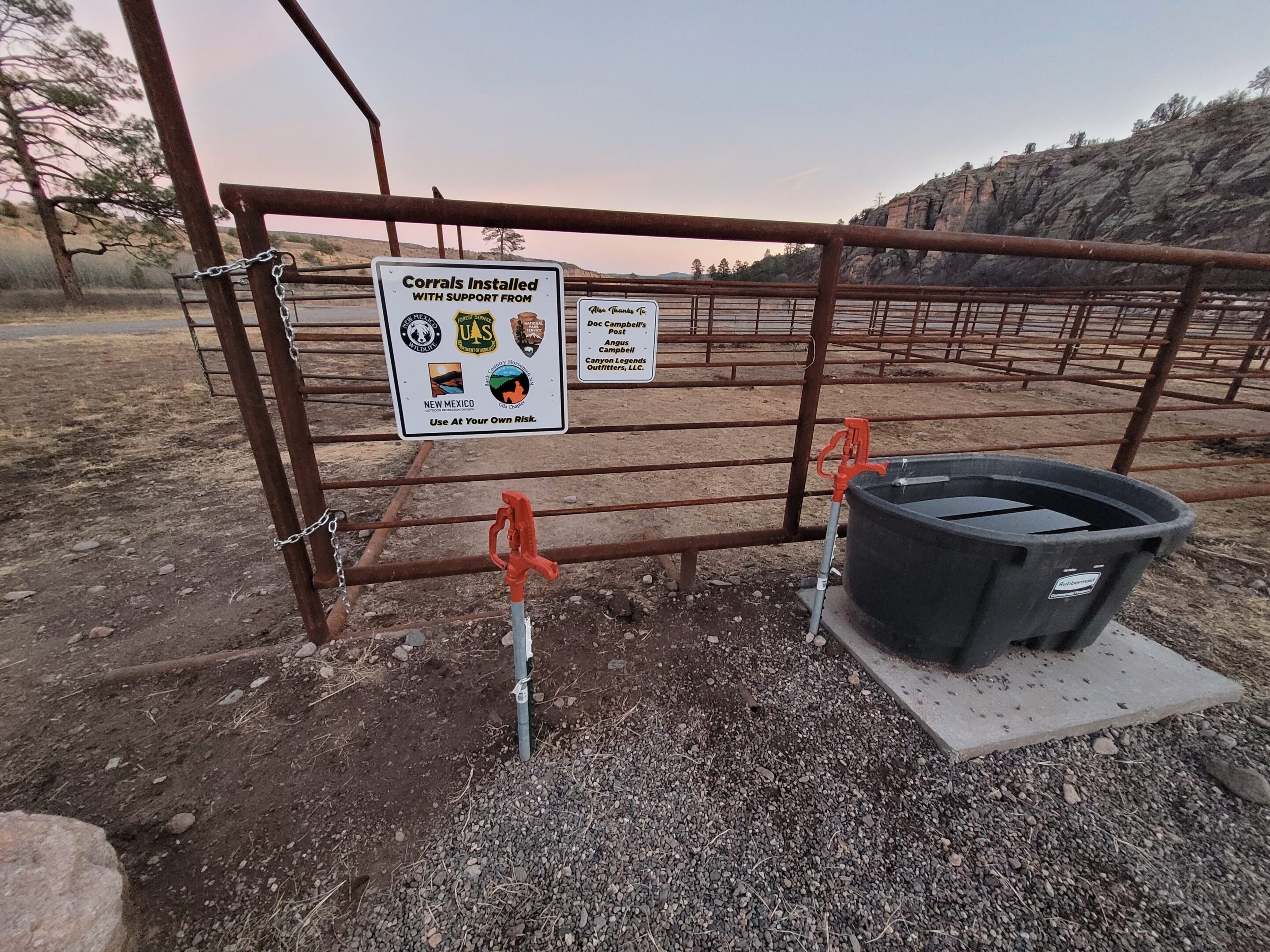
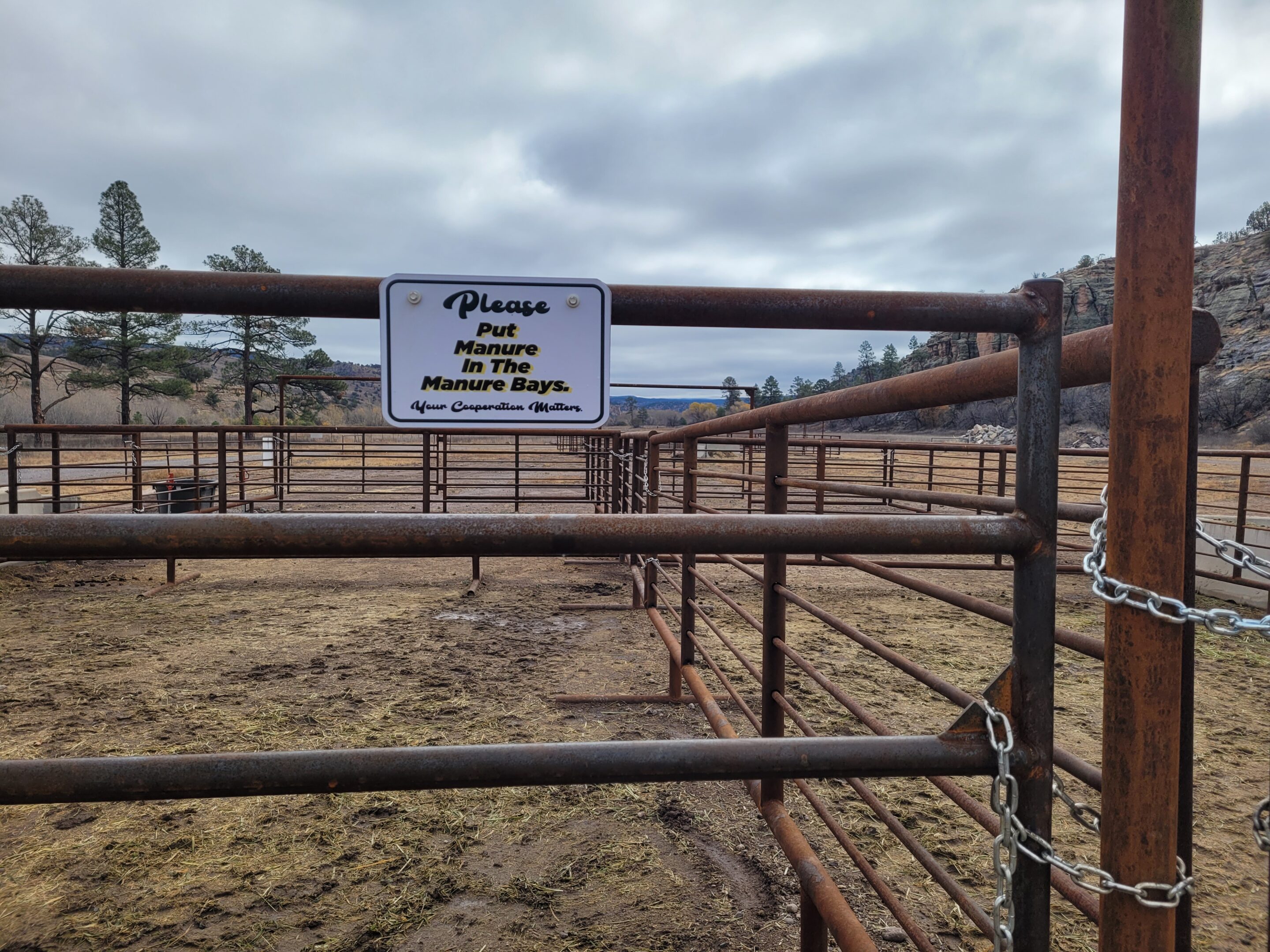
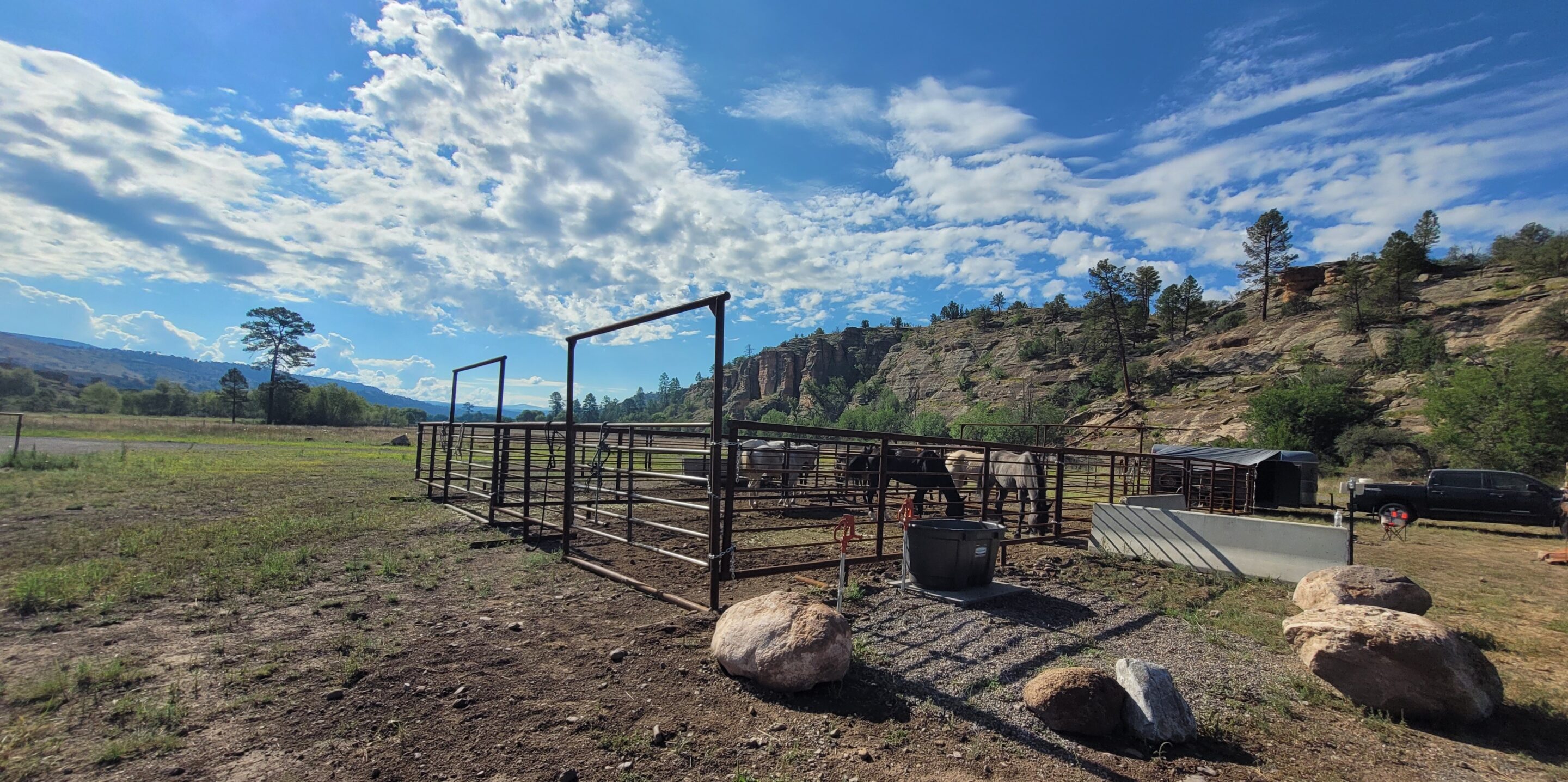
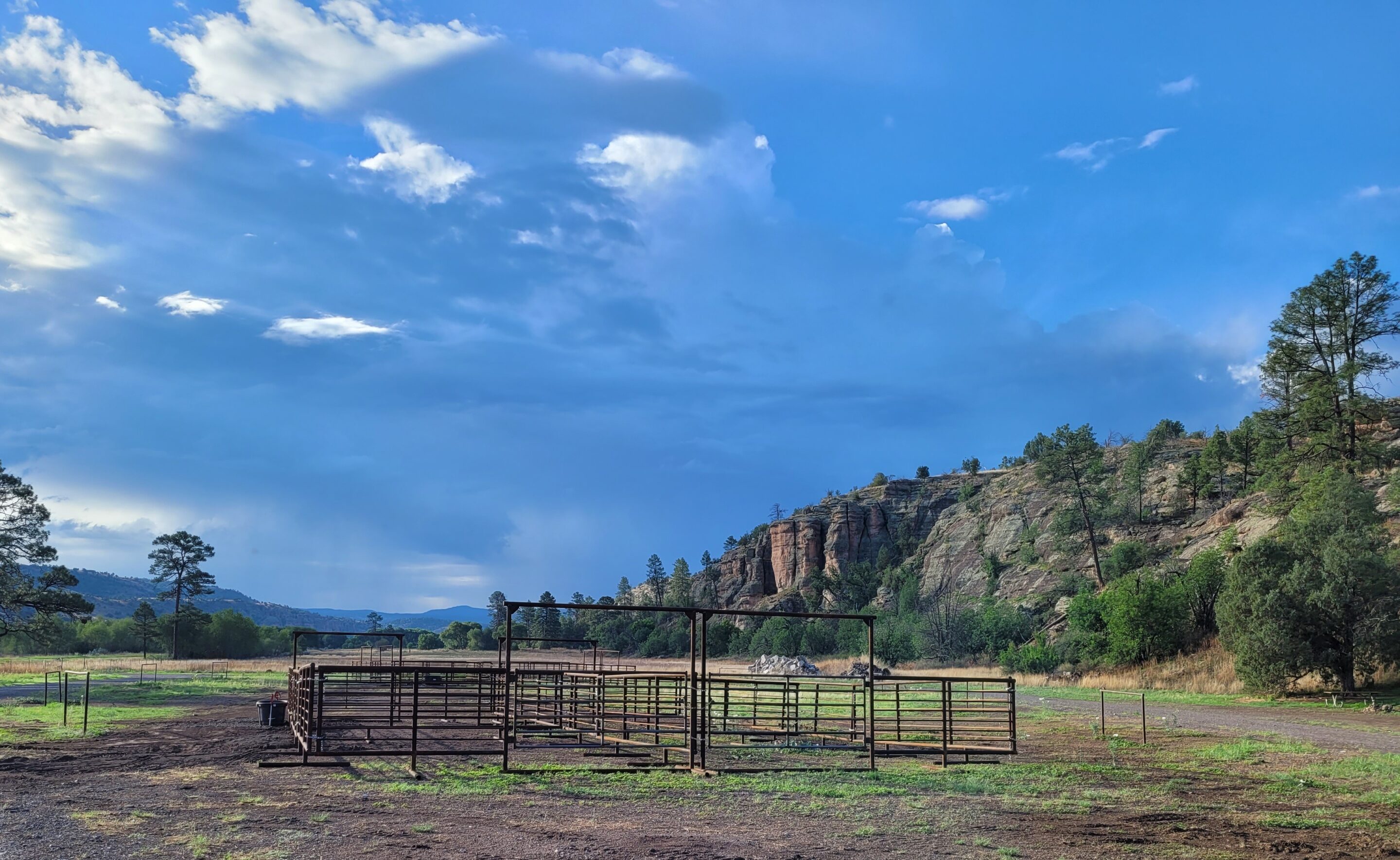
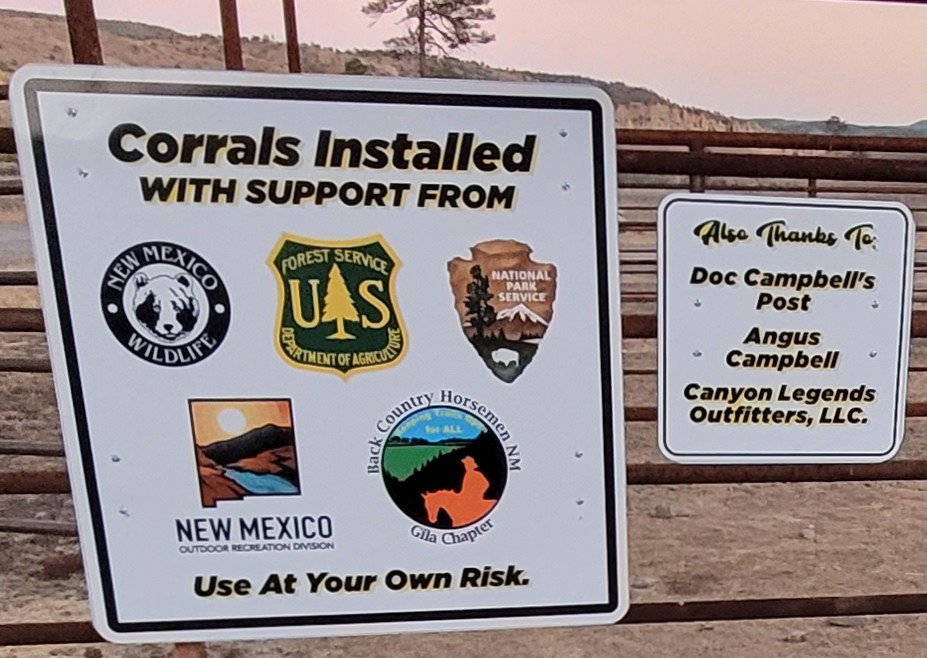
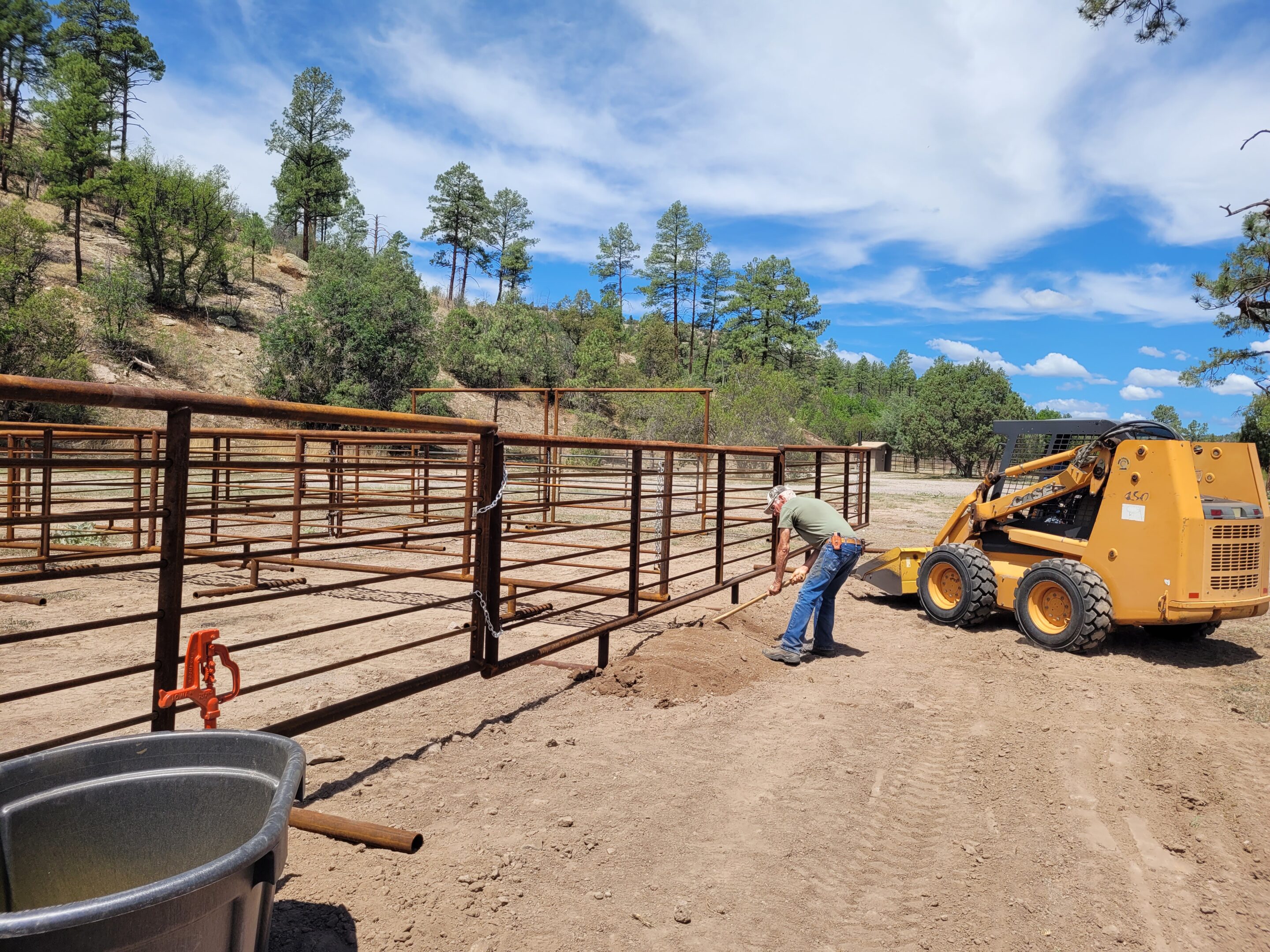
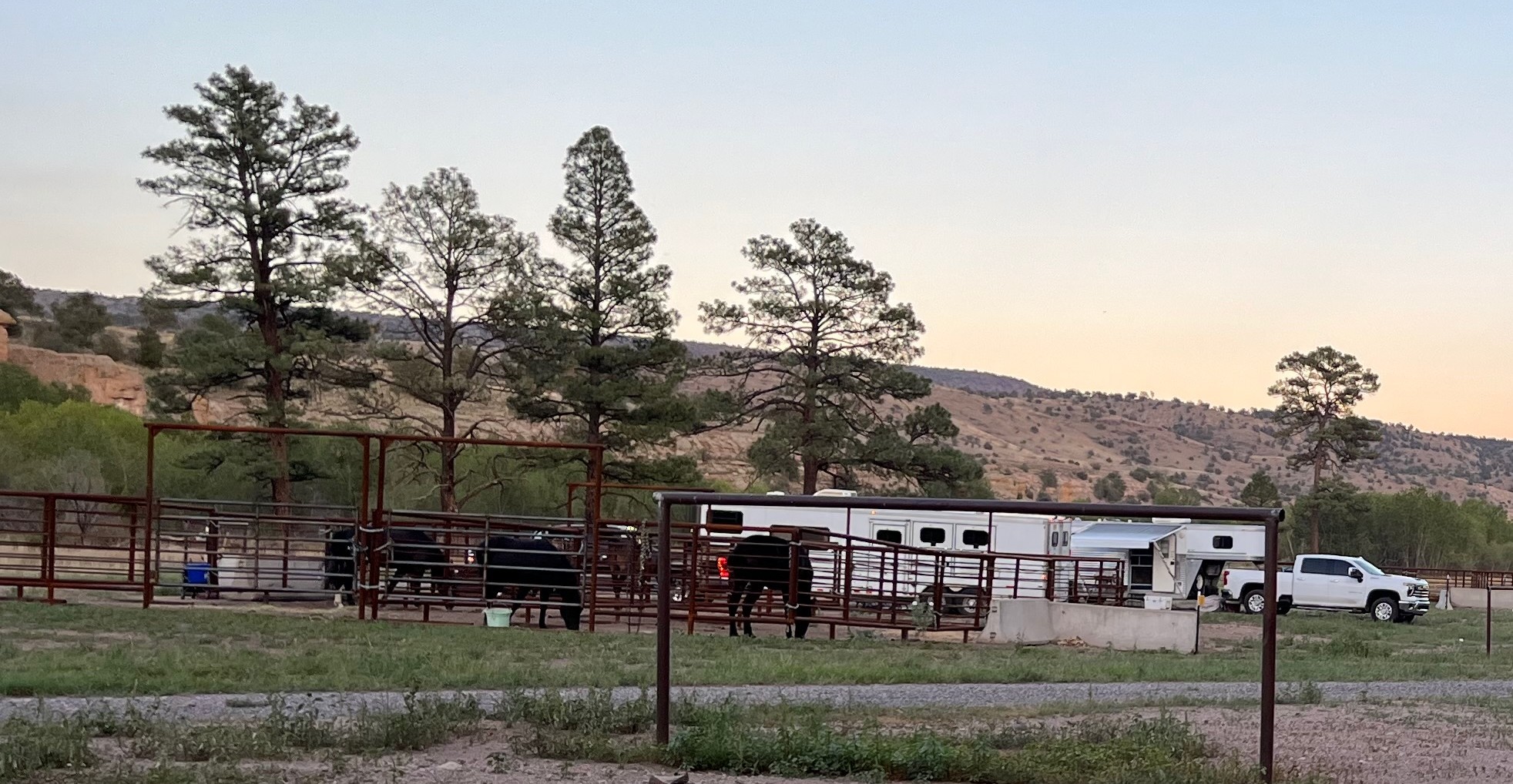
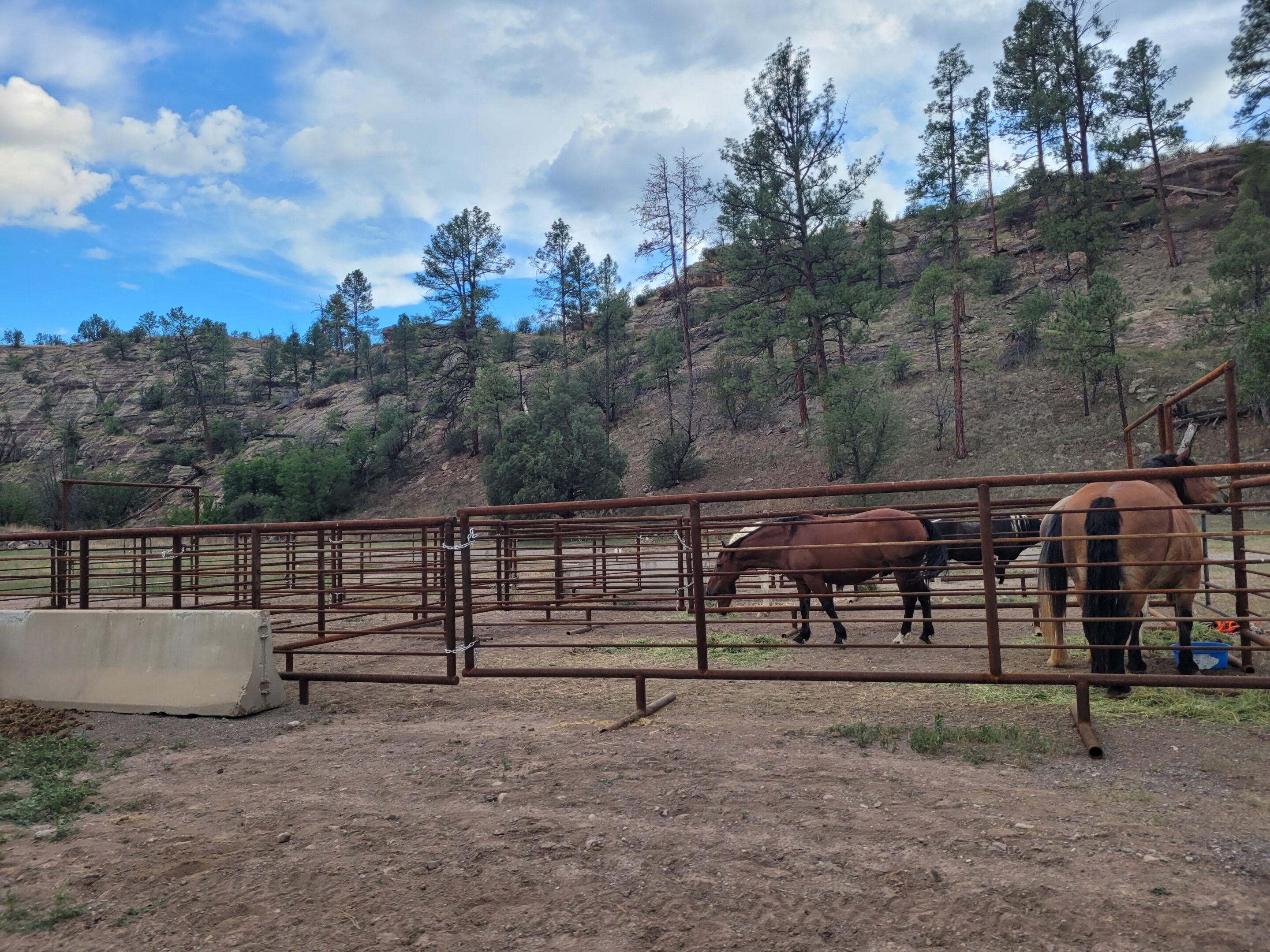
New Corrals at Woody's Corral Trailhead
Learn More
Woody’s Corral Trailhead
- Forest Service Info about the trailhead
- Located near Gila Cliff Dwellings National Monument and the center of the Gila Wilderness
- 12 corrals total – 8 of which are new.
- Water troughs outside of corrals. No access to water inside the corrals (except for 4 of the corrals). A water bucket can be nice to have.
- Frost free hydrants
- Bring a manure bucket and rake to put manure in manure bays after use.
- Lots of open space for parking and dispersed camping.
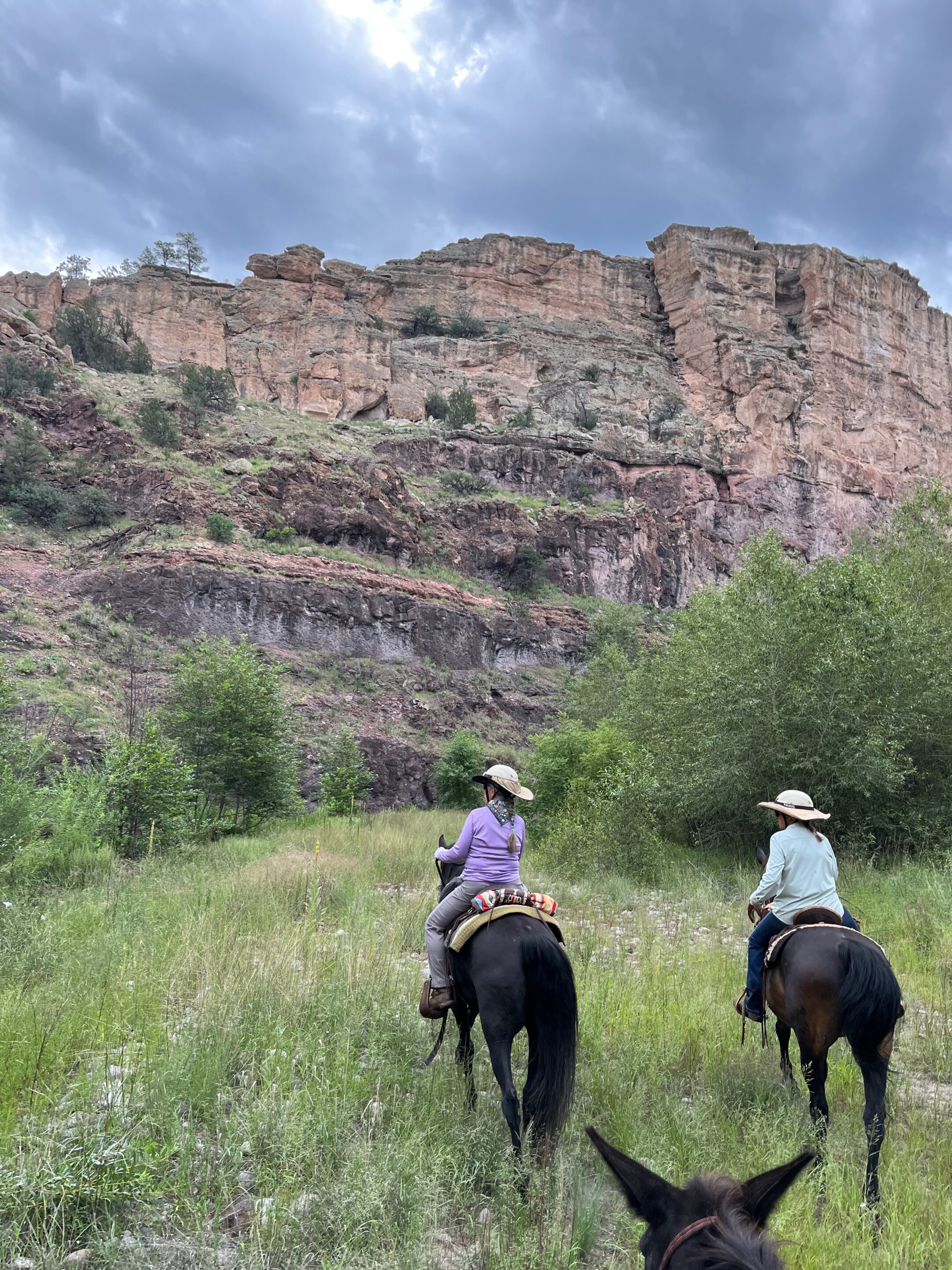
- Lots of day rides and back country options.
- Here are some day ride ideas:
Loop Near Cliff Dwellings – 4.2 miles
Woody’s Corral and EE Canyon Loop – 8 miles
Ring Canyon/Little Creek Trails – 18 miles
Whiterocks and Adobe Canyon Trails – 18 miles
Little Bear and Middle Fork Trails – 11 miles
Ride to the Meadows Overlook – 18 miles
- What to consider:
- We can occasionally have snowstorms that make the road (Highway 15) to Woody’s Corral or the north-facing trails slippery.
- If we get more rain than predicted or the small amount of snow in the high country melts all at once, the rivers may flood and be impassable or dangerous. Pay attention to the weather.
- Beaver dams can be found along the Middle and West Forks. During low water levels, the beaver dams are not much of an issue, but when the rivers are higher, the water crossings near the beaver dams become very deep.
- There are many other loop configurations and out-and-backs. Don’t be limited by this list.
- The trails loops listed have been worked on in the recent past. But trail conditions can change at any moment. If a trail is no longer passable, please notify us with the issue: groundworktrails@gmail.com
MEETING MINUTES

Don’t miss future Gila BCH meetings and events
__________________
Events
Trail projects, trail trainings and creating better horse facilities – All invited
Fun Rides – All invited
Packing Clinics – Members only
Educational Events – Usually Members only
Highway Clean up – Keeping our community beautiful
Summer Picnic – Members only
NM State BCH Rendezvous – Members only
New Year Party – Members only
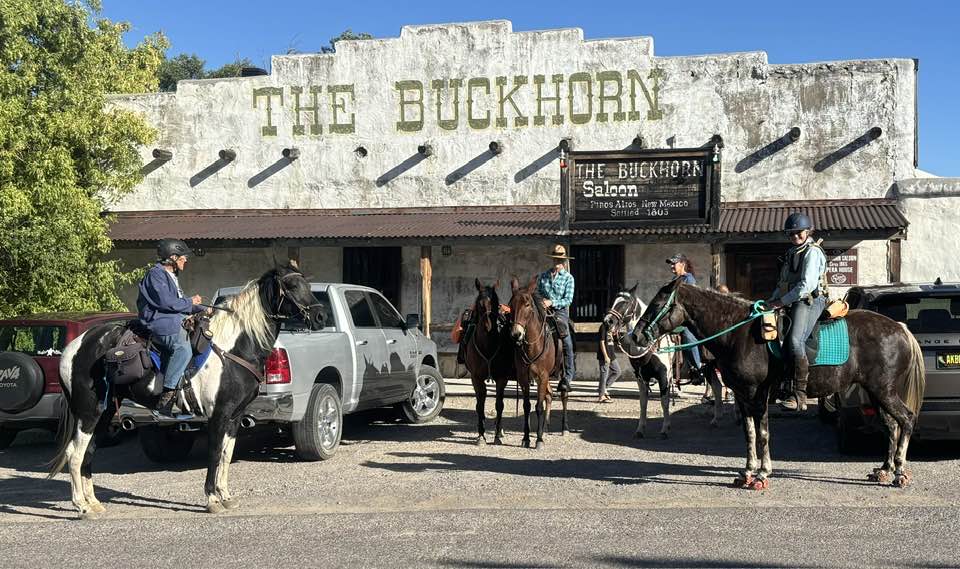
EQUINE RESOURCES
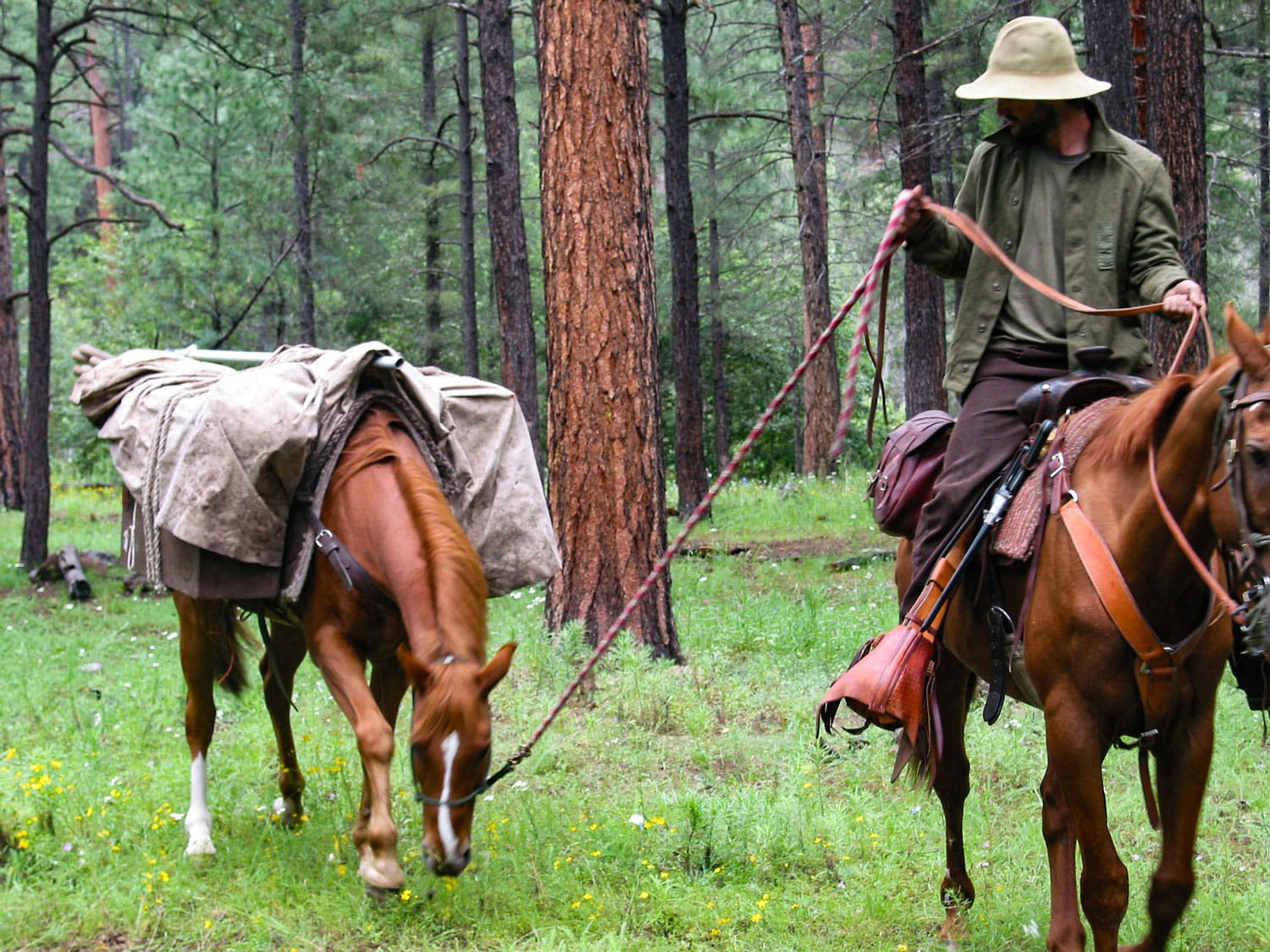
Equine Evacuation
Equine Resources for the Gila
Learn More about:
-
- Overview of riding in the Gila
- Equine Friendly Day Use Trailheads
- Equine Camping
Horse Care
Horse Care and Welfare – from the New Mexico Horse Council
Horse History
History of Horses in North America – Interesting history of horses.
ADVOCACY
Gila BCH is a chapter of the national organization: Back Country Horsemen of America (BCHA). Adocacy happens both locally and nationally.
Back Country Horsemen of America does “advocacy” in a very practical, nuts-and-bolts way
They work to keep trails open to stock use, shape agency policies that affect trail access, and secure resources (funding, agreements, and rules) that make it easier for local chapters to partner and get work done.
Here are the biggest buckets of what they’ve done—and concrete examples of what that advocacy has accomplished:
National-level agreements that unlock local access and projects
One of BCHA’s most tangible advocacy wins is negotiating nationwide partnership agreements with federal agencies. These don’t fix every local issue by themselves, but they materially help chapters by creating a recognized framework for volunteering, training, and project cooperation.
Why this matters as “advocacy”: It turns “please let us help” into “we have an established national framework,” which reduces friction when chapters pursue local agreements, volunteer coverage, and project approvals.
Direct wins on specific agency proposals affecting stock use
BCHA also highlights—and sometimes helps drive—specific agency decisions where access was at stake.
A clear example BCHA itself points to:
- Bryce Canyon National Park: the superintendent abandoned a proposed rule for private horse use and instead moved toward cooperative working relations with a local BCH group (noted as October 2014).
Rulemaking and public-comment advocacy (e-bikes, trail use conflicts, etc.)
BCHA regularly submits formal comment letters on proposed federal rules that could change non-motorized trail character and create safety/compatibility issues for equestrians.
Example (well-documented series):
- E-bikes and horses do not mix well. Each has their place and benefits. We are advocating for continued safety while riding horses on our public lands.
- BCHA filed formal public comments opposing aspects of proposed e-bike rule changes at multiple agencies, including U.S. Fish and Wildlife Service, and also submitted letters related to Bureau of Land Management and National Park Service e-bike proposals in June 2020.
Accomplishment here: even when outcomes vary by agency/unit, BCHA is consistently “in the record” with detailed safety/compatibility and process arguments—which is often what determines whether agencies must modify, delay, analyze more deeply, or defend decisions later.
Trails funding advocacy (big-picture dollars that affect maintenance backlogs)
BCHA has pushed for federal investment in deferred maintenance and trails. One major example in the trails world:
- The Great American Outdoors Act became public law on August 4, 2020, establishing the Legacy Restoration Fund and making full funding for LWCF permanent. BCHA communicated and rallied member support around that opportunity in its publications during the push.
“Capitol Hill” relationship-building + coalition advocacy
BCHA maintains a national presence in D.C. and participates in major trails advocacy coalitions/events:
- BCHA describes its Capitol Hill presence via its public lands program.
- BCHA participates in Hike the Hill (a major annual trails advocacy convening).
Volunteer/operational advocacy (making it easier to do the work)
BCHA also advocates on policies that affect volunteer capacity and costs:
- BCHA has promoted support for legislation to improve the volunteer mileage/tax situation; for example, the Volunteer Driver Tax Appreciation Act of 2025 (H.R. 1582, 119th Congress) addresses charitable mileage rate policy.
(That’s an example of advocacy in progress—intended to reduce barriers to volunteering.)
Long-running “access in Wilderness” advocacy history
Historically, BCHA has described early advocacy successes around stock management rules—e.g., raising objections to wilderness permit systems and getting them resolved in ways acceptable to stock users (an example discussed in BCHA’s history document).